

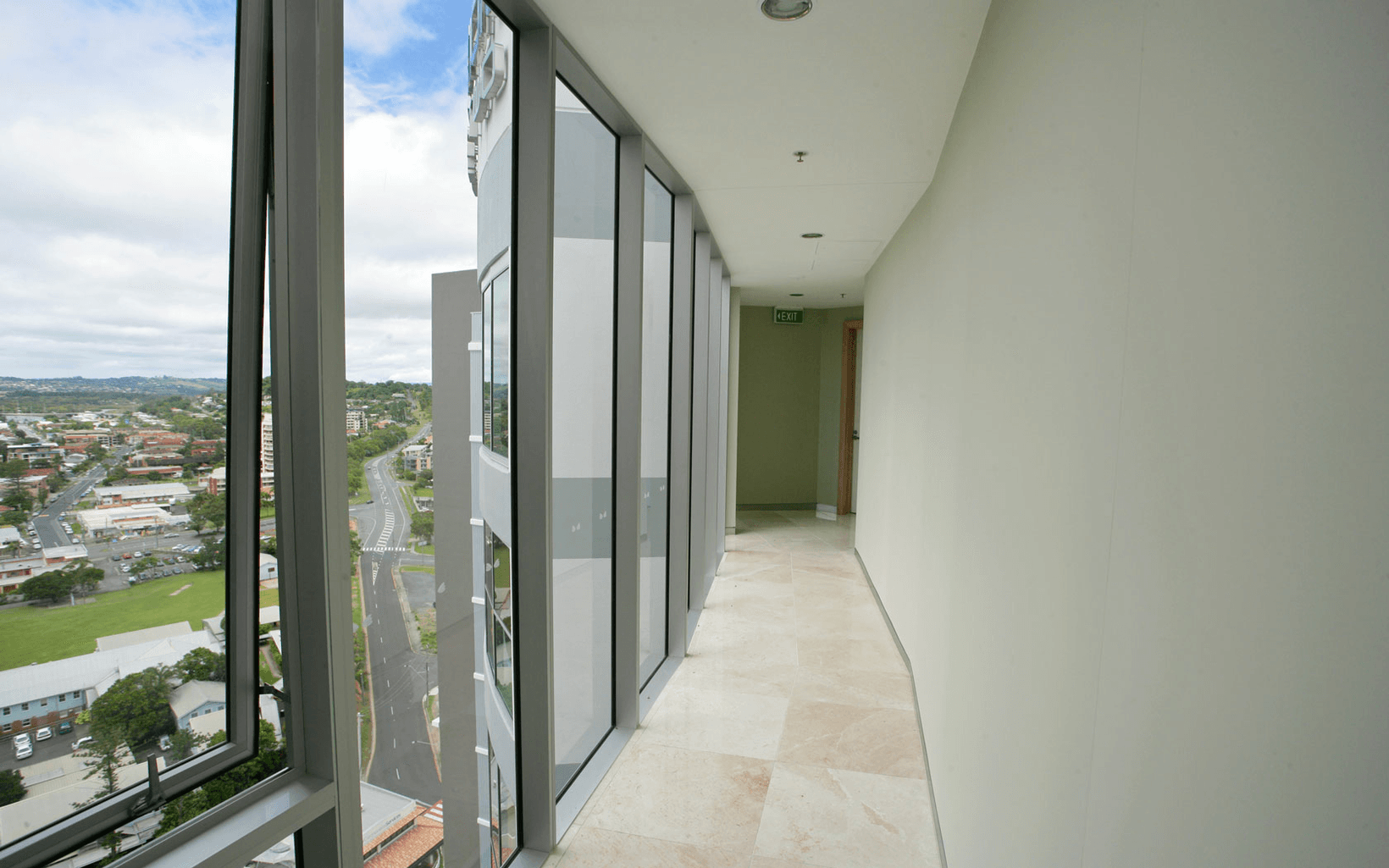
As Australian building practices improve, particularly in the area of energy efficiency, buildings are becoming more air tight. While this has resulted in significant performance improvements it has also reduced the natural ventilation within buildings which can contribute to build up of moisture and increase the potential for mould growth.
BCA Requirements
Mould is a Major Concern
Internationally, there is an increasing focus on the impact of mould on occupant health. The World Health Organisation (WHO) has published guidelines for controlling dampness and mould in buildings and the US Environmental Protection Agency EPA also provides extensive information on mould control in homes.
The WHO review concludes that the most important effects of moisture and mould in buildings are increased instance of respiratory symptoms, allergies and asthma and other disturbances of the immune system.
It recommends that the most important way to avoid these adverse health effects is the prevention (or minimisation) of persistent dampness and microbial growth on interior surfaces and in building structures.

Humidity is a Key Cause
Mould requires 70 to 90% humidity to thrive, which is common in the coastal regions where the majority of Australia’s population lives. In unconditioned spaces indoor humidity levels reflect the atmospheric conditions and this combined with moisture created by occupants’ activities means that many buildings may be susceptible to mould.
Combating Mould
Providing adequate ventilation is a key step. An international survey of indoor air quality recommends complete replacement of the air in a dwelling at least every two hours. This means that outside air should flush out the indoor volume no less than twelve times in every 24 hours. In most homes, around 50% of this recommended rate occurs incidentally through gaps in the building fabric so active ventilation is required to make up the difference.
Gyprock has developed two products aimed at helping reduce the risk of mould growth in buildings. Gyprock EC08™ Complete and EC08™ Extreme are moisture resistant plasterboard products with a gentle but powerful antifungal agent to resist mould growth.
Both products are designed for use in wet areas such as change rooms, bathrooms and laundries in multi-residential and commercial buildings.