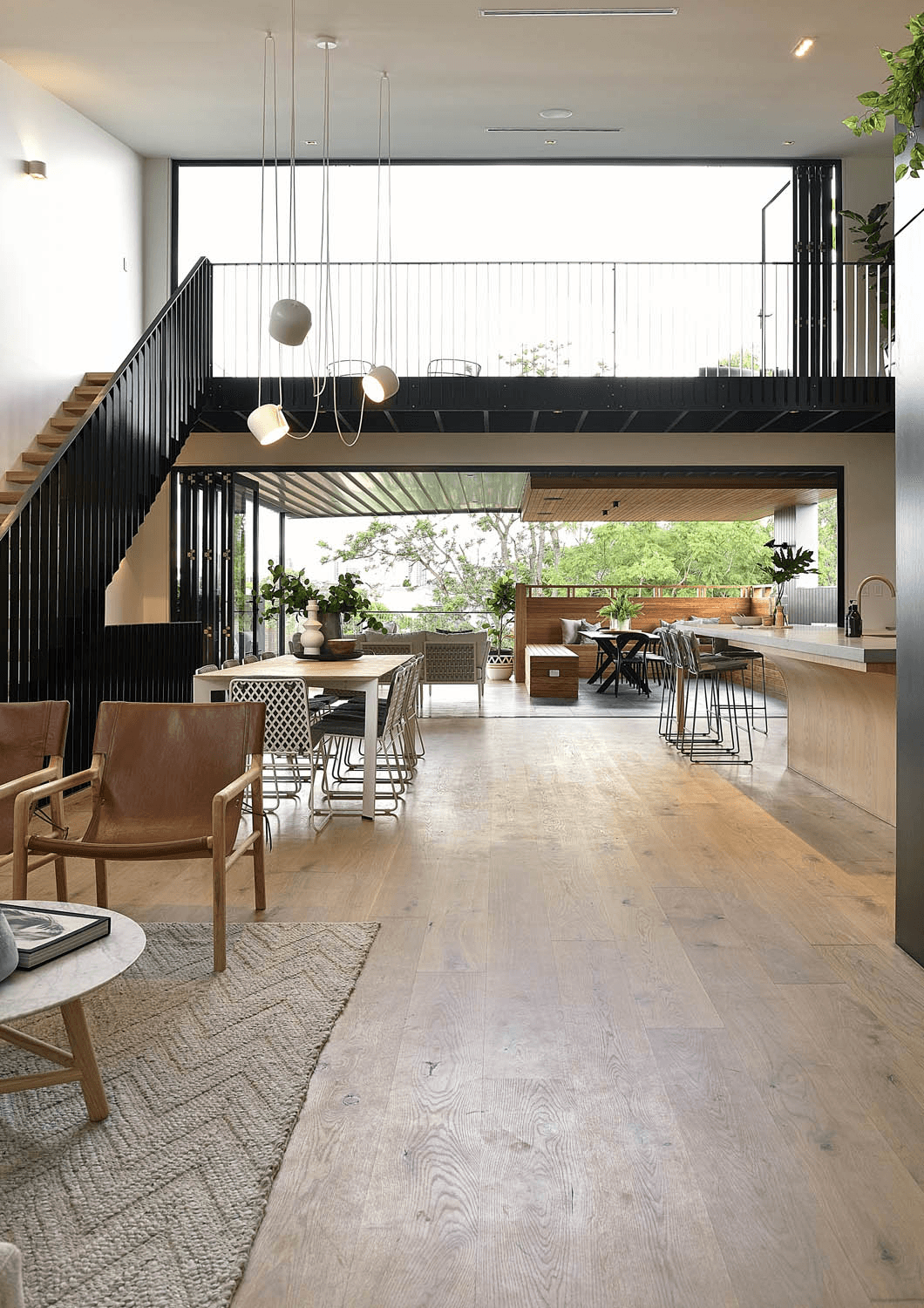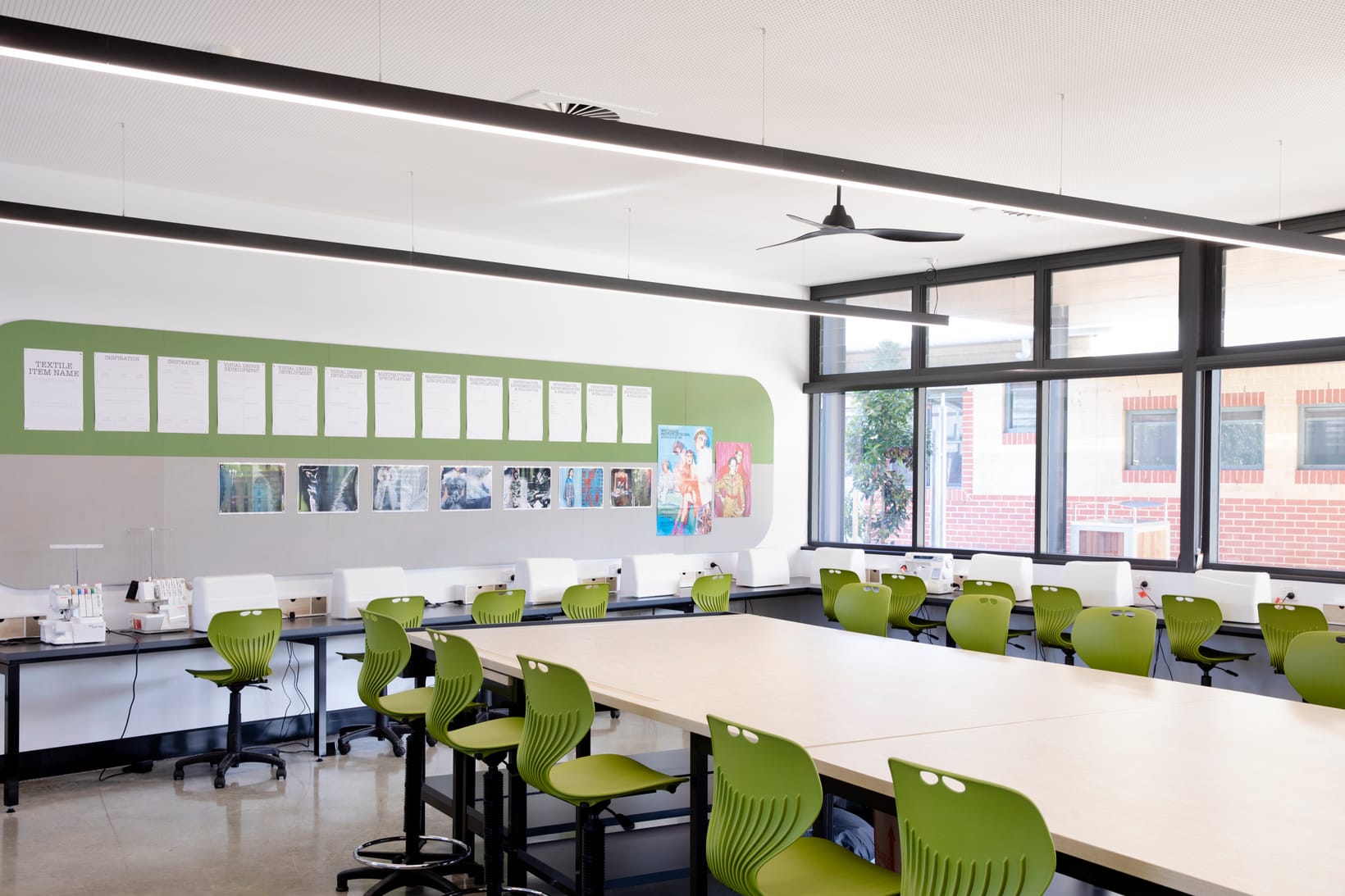


CSR Gyprock is proud to support The Glenvill Group as they deliver a superior urban living solution at their YarraBend development in Alphington Victoria.
YarraBend is a visionary, riverside suburb only 10 minutes from Melbourne’s CBD and sets a new benchmark for design and urban living. Recognised by The Future Lab as being at the forefront of global liveability, YarraBend is predicted to be one of The World’s Most Liveable Suburbs by 2025.
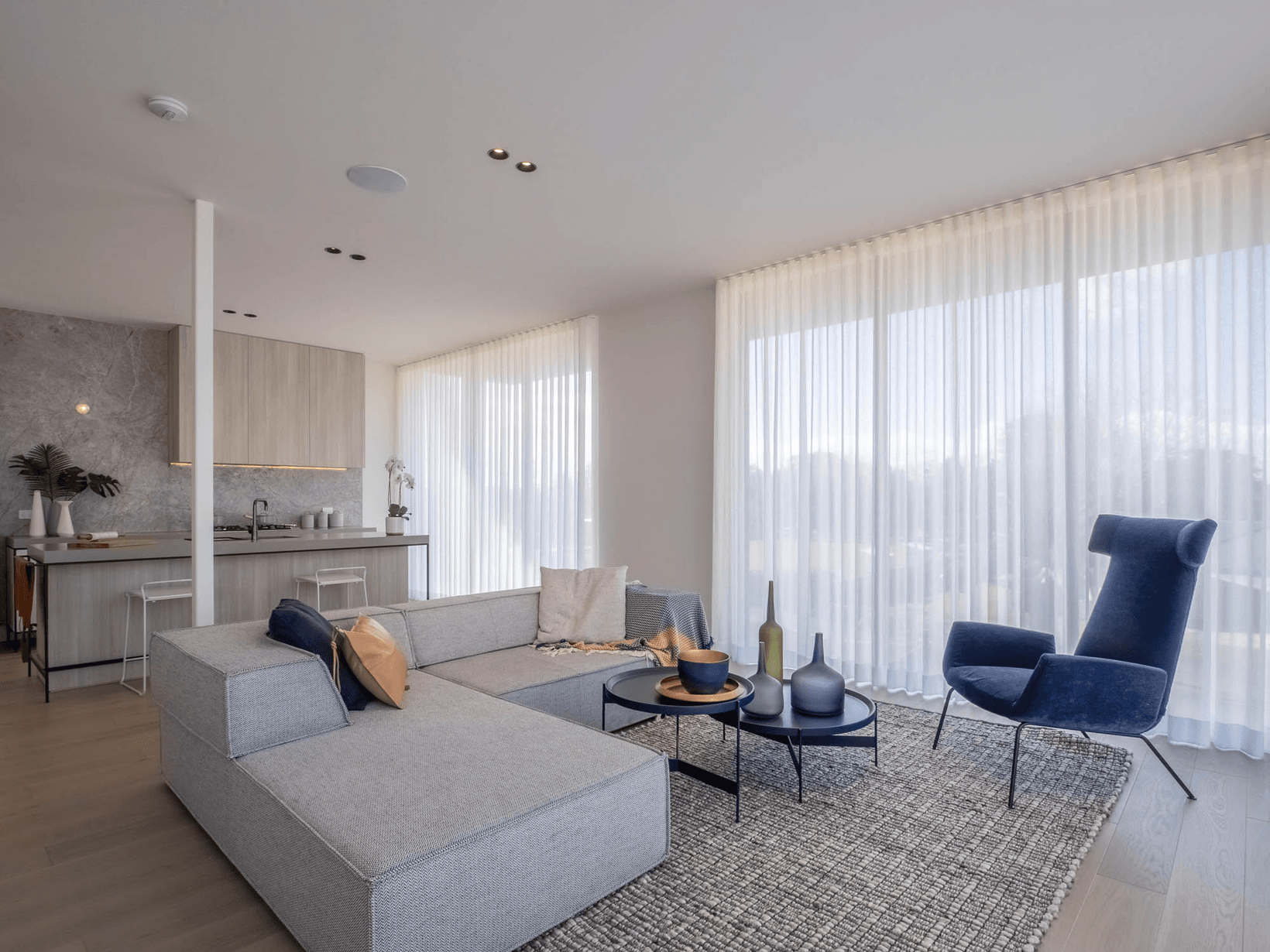
Master-planned for the future, there’s a vibrant food and café scene and a cultural hub of health and fitness. The development site encompasses four types of dwellings – houses, townhouses, lofts and apartments, varying from one to five bedrooms.
Delivering a beautiful, highly functional suburb is of utmost importance to Glenvill, and it’s their process to work with iconic Australian collaborators in many areas of the development. This included Gyprock with whom they have a long-standing partnership.
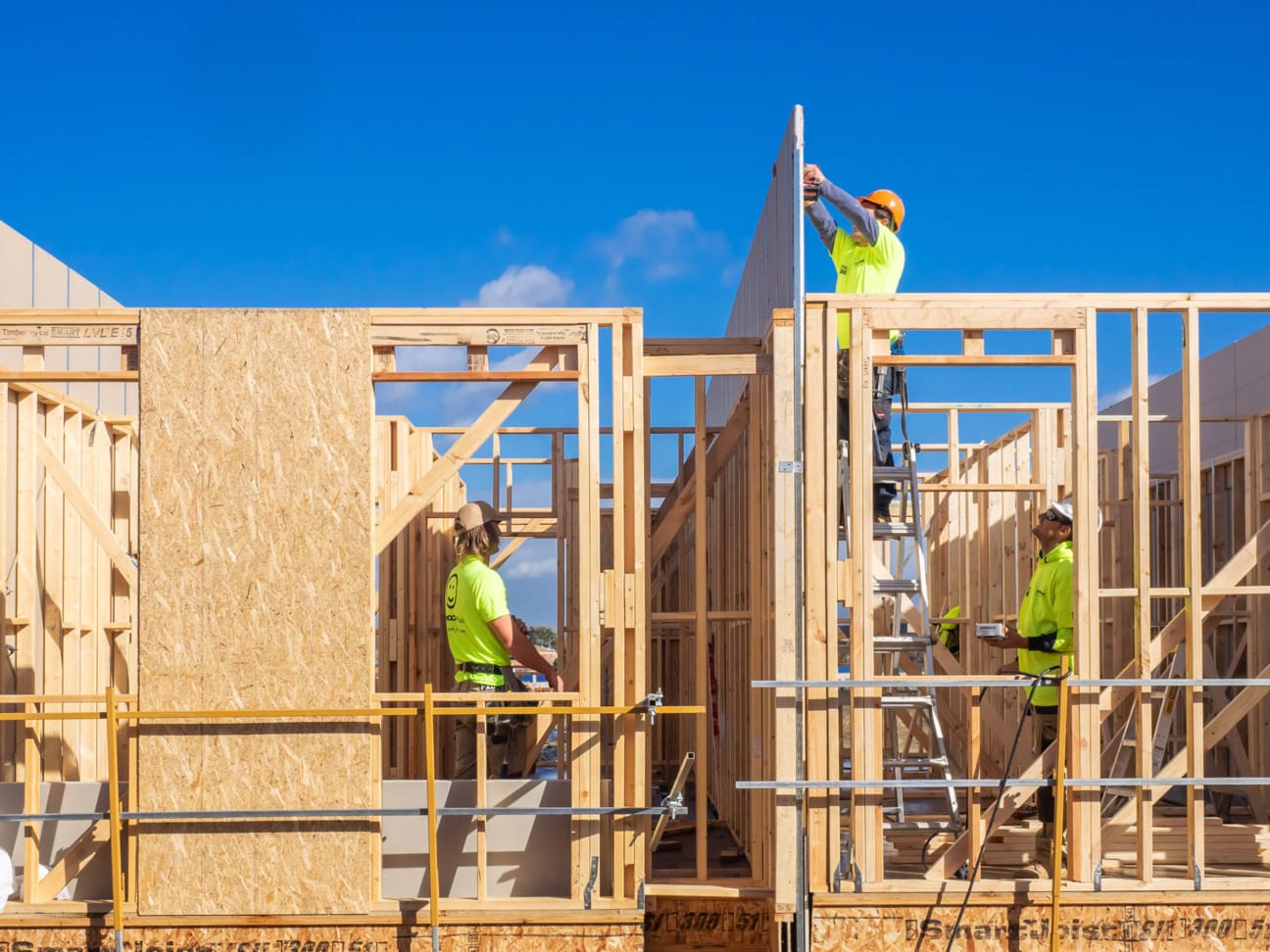
For Class 1 buildings that share a common wall, such as the terraces and townhouses at YarraBend, Gyprock’s Party Wall System was specified. The system provides a separating wall with the ideal combination of acoustic and fire-resistant performance, along with efficient installation and design flexibility.
Fire resistant to FRL 60/60/60 and featuring unique aluminium clips, the specified Party Wall system is designed to allow one side of the property to collapse and fall away in the instance of fire, leaving the central barrier and the adjoined dwelling in place. This removes the direct threat of fire transfer and maintains protection to the remaining tenancy. In areas such as the roof space and between floor and ceilings where there are no stud linings, Gyprock Fyrchek plasterboard is laminated to the centralised Shaft Liner panel, to maintain the rating.
Acoustic separation is also a key factor in Party Walls, ensuring the comfort of building occupants. Noise may be airborne, such as voices and music, or it may be a result of impact, such as cupboard doors and footsteps, and the path of the sound may be direct through a wall or floor, or indirect through the surrounding structure known as flanking transmission.
The cavity insulation and lining options of Gyprock’s Party Wall systems meet or exceed the BCA’s acoustic requirements. The basis of the acoustic performance is a double cavity system designed so that services such as switches, light fittings and pipes can be installed in the wall without the need for acoustic sealants.
Gyprock’s support of the project extended beyond the supply of materials and technical support, to the installation of the internal linings system in Phase 1 of the development. This solution, available on selected projects, see’s Gyprock coordinate delivery of materials, labour and installation, to meet their rigorous standards. Lining materials including Gyprock Plus and Supaceil plasterboard, as well as premium Gyprock adhesives and compounds used across the development, are backed by Gyprock’s 25 year Manufactured for Life warranty.