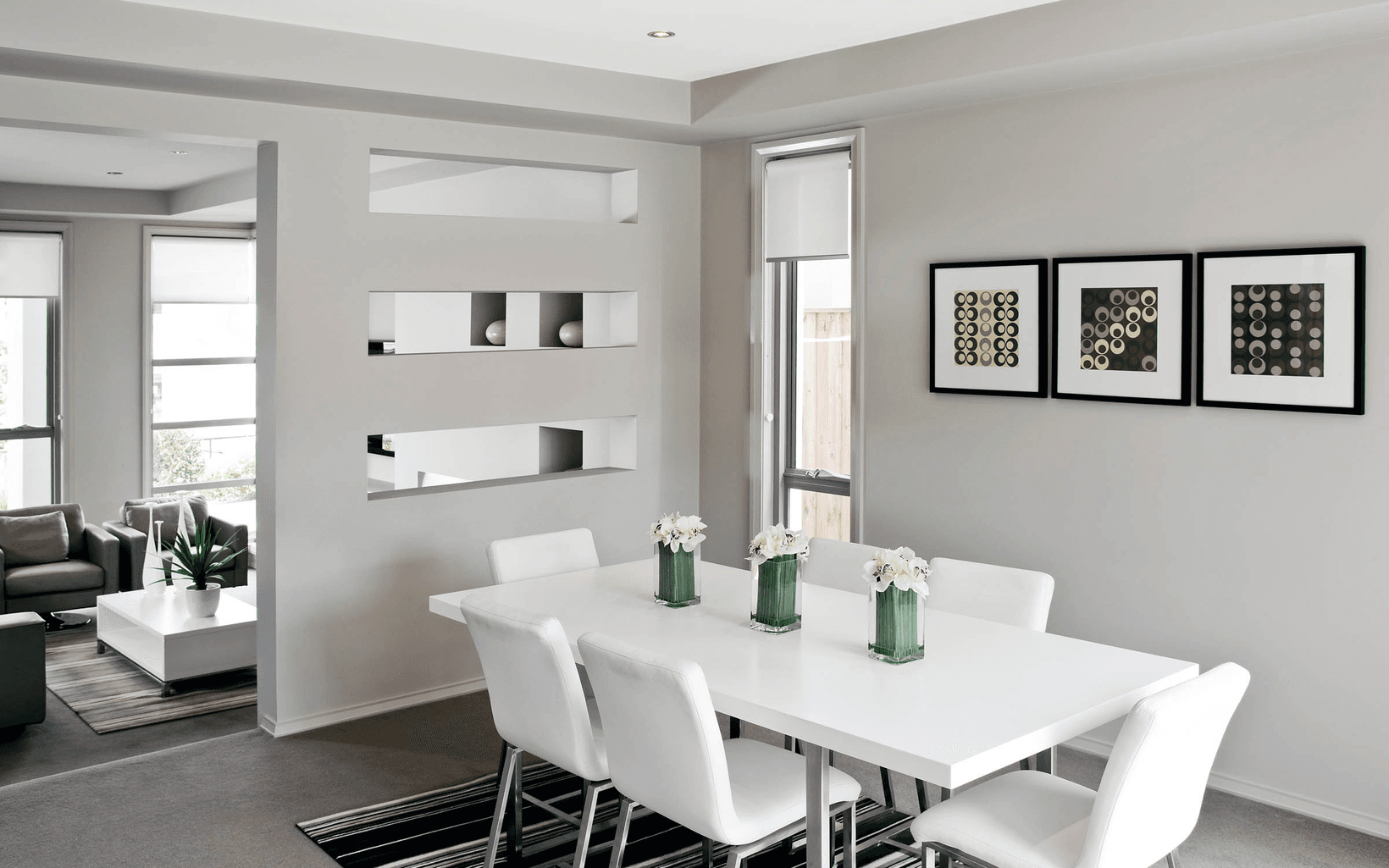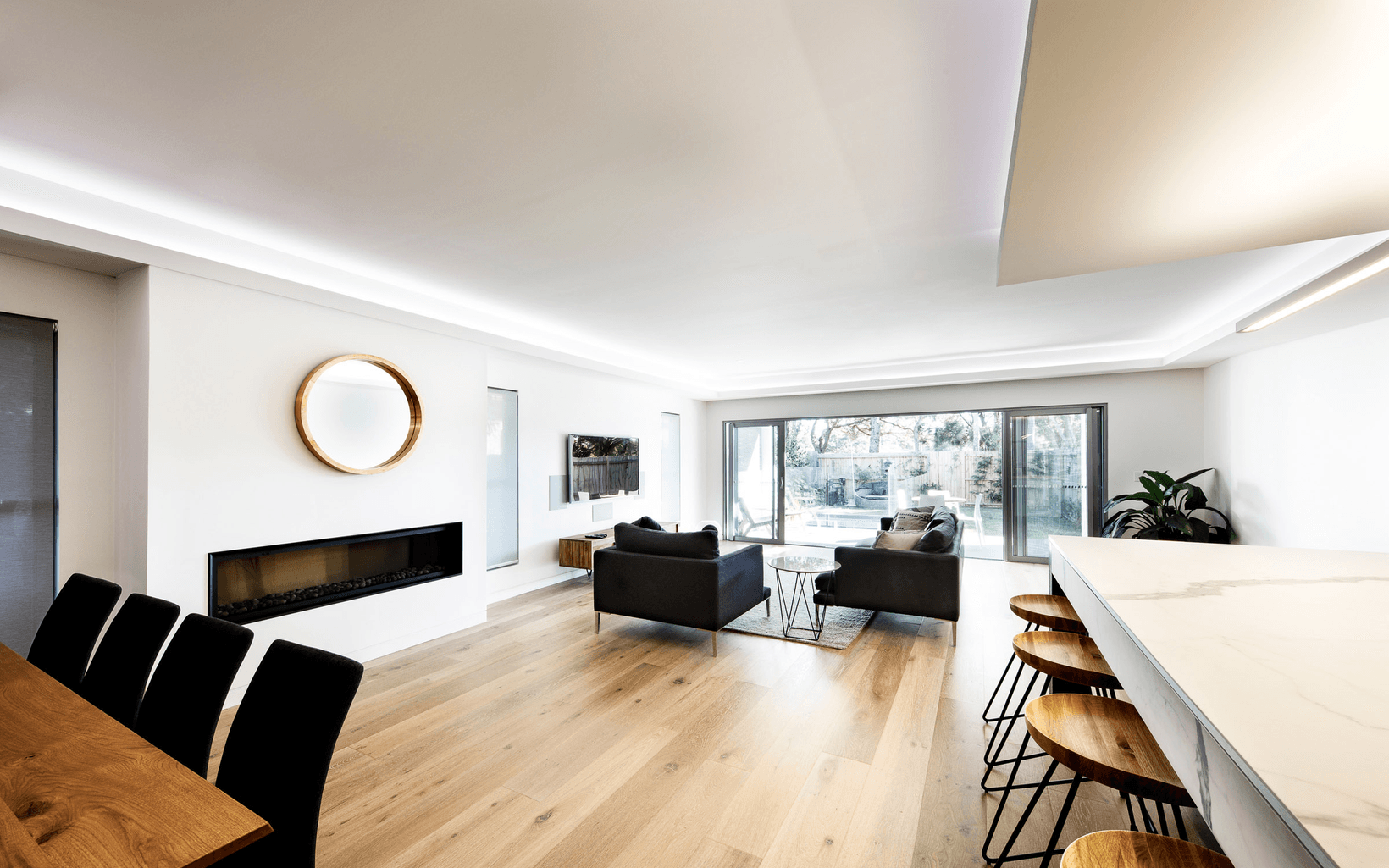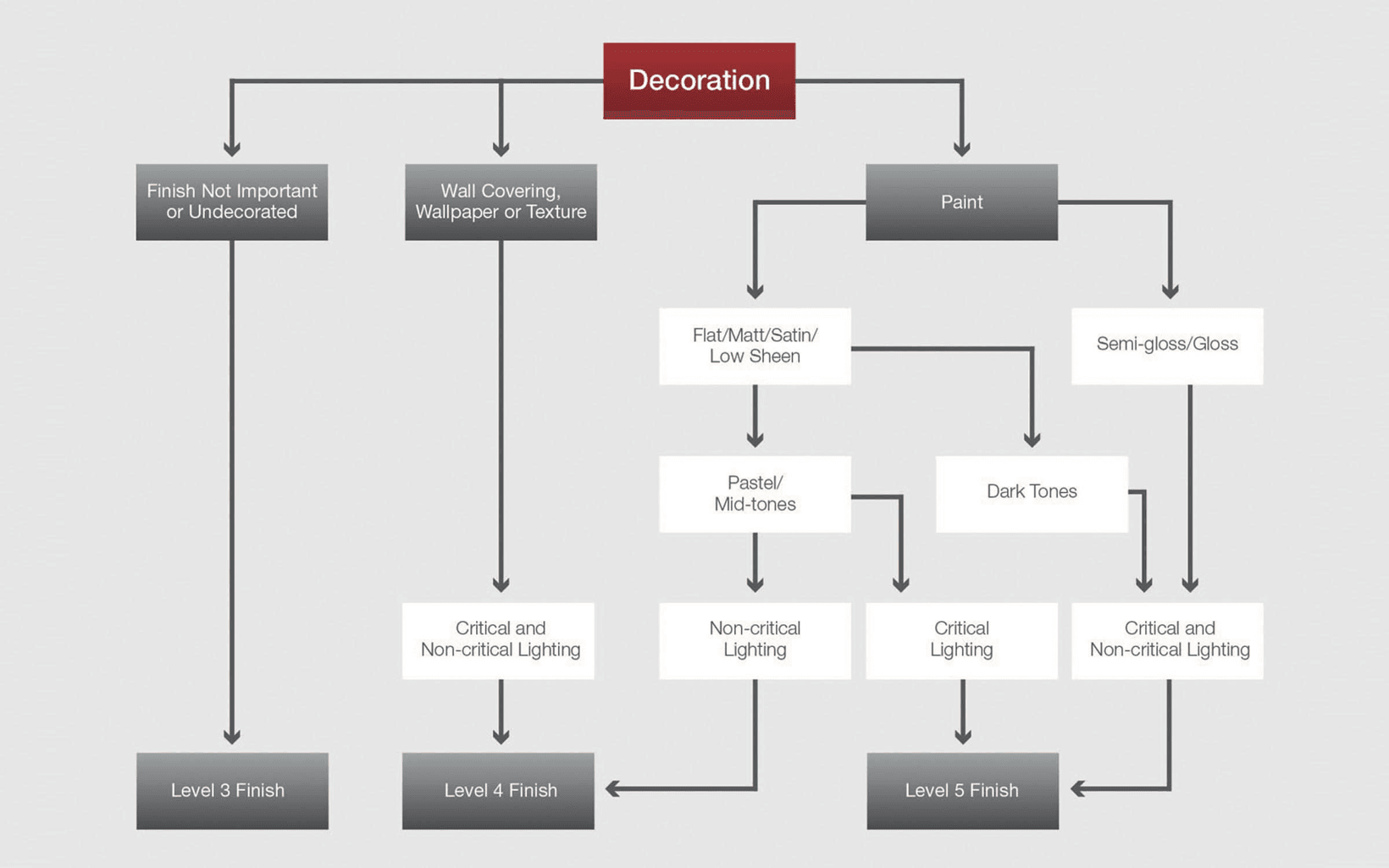


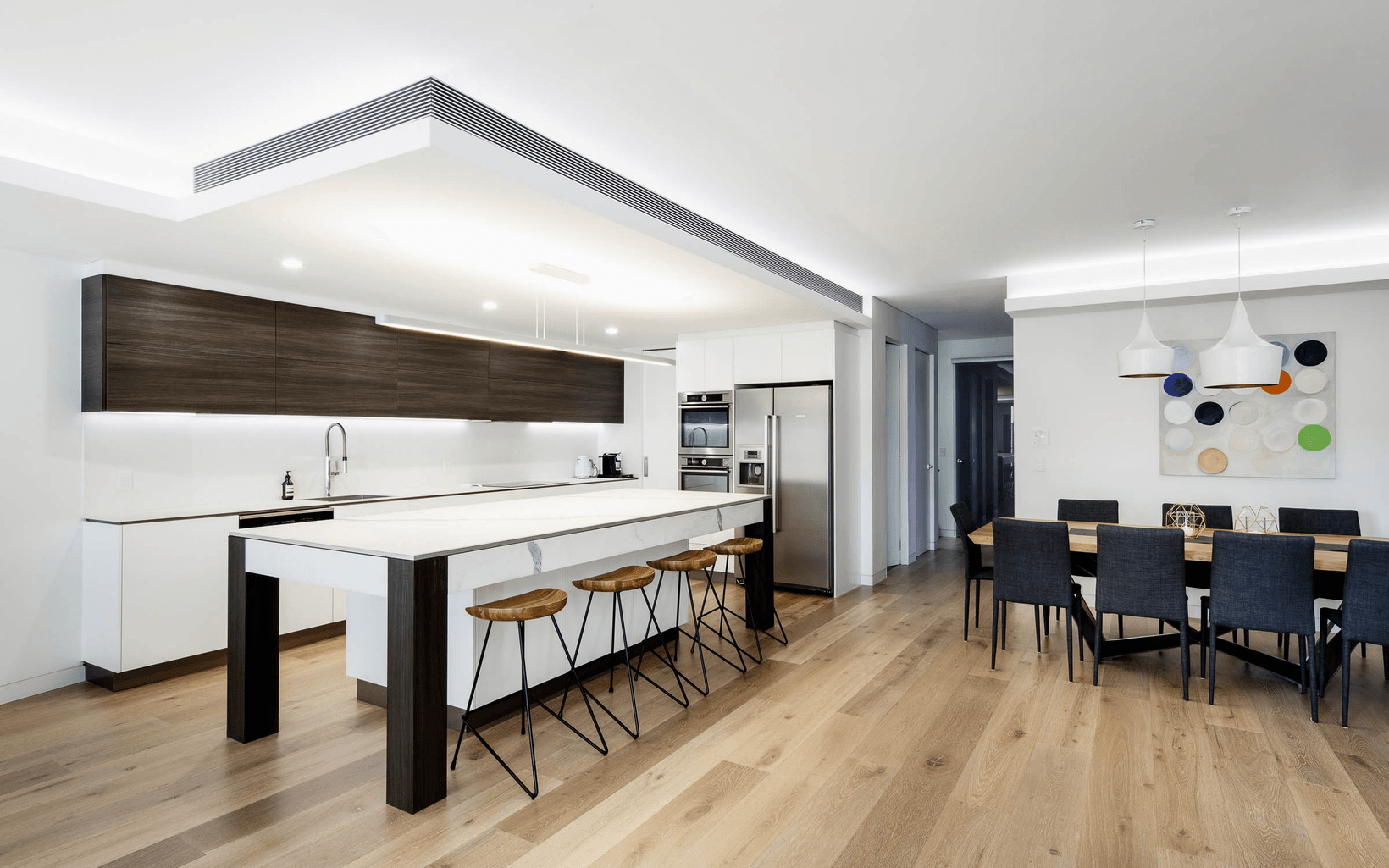
To ensure a smooth finish where joints are not visible it is important to choose the level of finish that best suits your application. A few of the considerations impacting selection include wall framing, lighting and intended decoration method.

Levels of Finish
The Australian Standard AS/NZS 2589:2017 'Gypsum linings - Application and finishing' defines three levels of finish for plasterboard walls and ceilings and provides minimum specifications for the installation process, from framing preparation to finishing, to achieve each of the finishes.
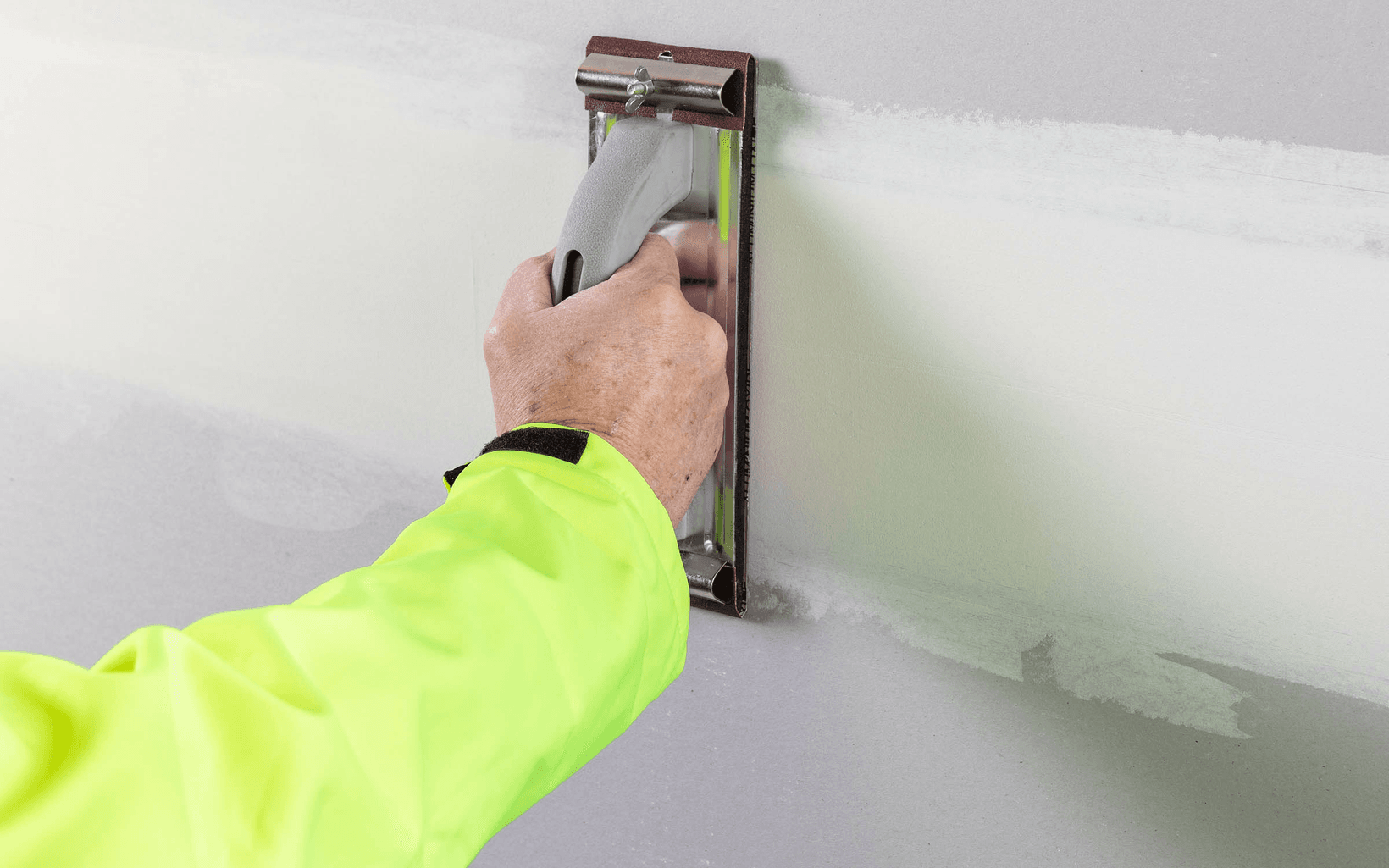
Level 3
For use in areas that do not require a finish, such as above ceilings and inside service shafts and other inaccessible spaces. All joints are to be taped with two applications of compound and all fastener heads are to be covered. Compound is to be finished smooth, such as by scraping ridges etc. with a trowel.
While there are no requirements for class 1 and 10 buildings in Volume 2 of the BCA, Volume 1 includes requirements in C1.8 Structural Tests for Lightweight Construction
- clause 3.1 "Walls of certain Class 9b Buildings" (refer below text regarding lift shaft limitations
- clause 3.2 "walls of shafts and fire-isolated exits generally"
- clause 3.3 "Additional Requirements for Lift Shafts" (refer below text regarding lift shaft limitations)
- clause 3.4 "walls generally"
Loading component...
Level 4
Level 4 is the generally accepted level of finish for domestic construction. Joints are to follow a three coat system, consisting of; a tape coat plus two subsequent coats applied over the tape coat and fastener heads. All joint compounds should be sanded to a smooth finish free of tool marks and ridges. A flat, matt or low sheen, light coloured paint finish is recommended.